


Cyato Sector, Nyamasheke District, Western Province
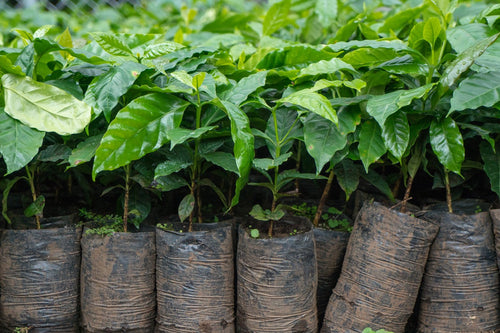
Gwiza is the women-led microlot from Abadatezuka Cooperative — a 64-community collective of smallholder producers in Rwanda's Western Province. Cherries are delivered ripe to the Cyato Washing Station, sitting at 1,850 meters above sea level in the Nyamasheke district, with farms climbing as high as 2,200 meters. The cooperative was founded in 2017, and the women-owned plots within it earn a premium beyond the lot's quality price, paid directly to the producers.
This honey-processed lot reflects the conditions that make Rwandan Bourbon so distinctive: black humus and sandy soil, cool air pulled off Lake Kivu, and the bee-assisted pollination of the Nyungwe forest just beyond the farms. Producers use no synthetic inputs — no fertilizers, no pest control. Cherries are sorted, mucilage-on, and rotated continuously on raised beds during drying.
In the cup, raisin and vanilla lead, brightened by a lime-driven, fruity acidity. Honey processing builds sugary depth without softening the clarity that defines high-altitude Rwandan Bourbon.

Raisin

Vanilla

Fruit Acidity

Brew as you like, but our roasting team suggests:
The Hario V60 brings clarity to Rwanda's Bourbon character — raisin, vanilla, and lime sit cleanly on a syrupy honey-process body. Slow center pours and precise temperature control let the fruit-forward acidity lead without losing the rounded sweetness underneath.
View brewing guide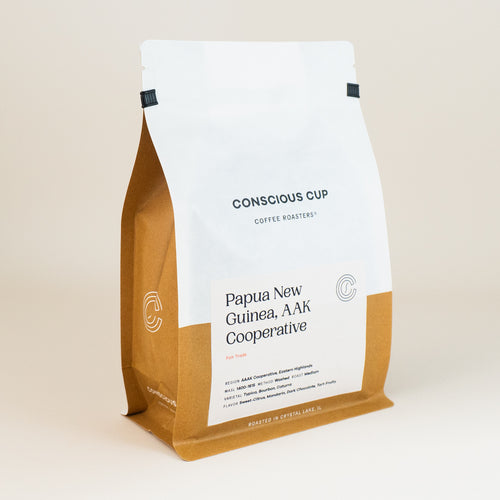
Papua New Guinea, AAK Cooperative
$18.90